
Low vacancy rates continue through July
SQM Research reports– link will open in a new window the national vacancy rate continues to sit at 1.3% for July, unchanged from June. Vacancy rates have remained historically low since early 2022. Low vacancy rates can lead to strong competition among tenants, higher rents and faster leasing times for landlords. Find out what they mean for insurance.
Cash rate unchanged by RBA in August
The Reserve Bank of Australia (RBA) left the cash rate unchanged at 4.35% in August, citing ongoing inflationary pressures.
Elevated housing costs, energy prices and broader cost-of-living pressures continue to influence inflation outcomes. Housing remains one of the largest contributors to annual inflation, with housing costs rising 6.8% over the year.
The RBA expects economic growth to slow and unemployment to rise gradually, with inflation forecast to return to the midpoint of their target range in early 2028. For property investors, higher interest rates can influence borrowing capacity, investment decisions and rental market dynamics.
Investor lending records largest decline since 2022
New home loans fell 5.4% in the June 2026 data released by the Australian Bureau of Statistics (ABS). Investor loans fell 8.6% equating to 4,966 loans, following a 4.7% fall in the March quarter. Owner-occupier loans fell 3.3%, and first home buyer loans fell 2.9%. NSW, Victoria and Queensland led the fall in investor loans, while the Northern Territory, ACT and Tasmania recorded increases. The drop represents $5.4 billion the biggest quarterly fall in since September 2022.
Property downturn gathers momentum
Cotality’s national Home Value Index (HVI) fell 0.7% – the largest monthly decline since December 2022. Sydney and Melbourne led the downturn, although declines have spread to previously resilient capitals including Adelaide and Brisbane.
Despite this, annual growth remains positive. Softer buyer demand, affordability constraints and higher borrowing costs are weighing on values. Lower-priced housing segments continue to outperform premium markets.
Buyers gaining negotiating power
One notable shift in recent market data is the growing balance between buyers and sellers. Cotality reports longer selling times and increased vendor discounting, while SQM Research’s reported increase in listings is creating additional competition among vendors. Investors considering acquisitions may benefit from improved negotiating conditions, especially in markets where supply is rising faster than demand.
Listings shift post March peak
Cotality reports new listings activity has eased since peaking in March, reflecting the typical winter slowdown and broader market cycles reducing the number of properties coming to market. While total listings have increased 14.9% compared to the same time last year, this is attributed to easing buyer demand rather than an increase in new listing activity.
Brisbane overtakes Sydney for resale profitability
Brisbane has emerged as Australia’s most profitable resale market, according to Domain’s latest Profit and Loss Report. Nearly all house and unit resales generated a profit during the first half of 2026, with median house gains exceeding $629,000. This is attributed to the city’s strong population growth, limited supply and improving affordability compared to Sydney and Melbourne.
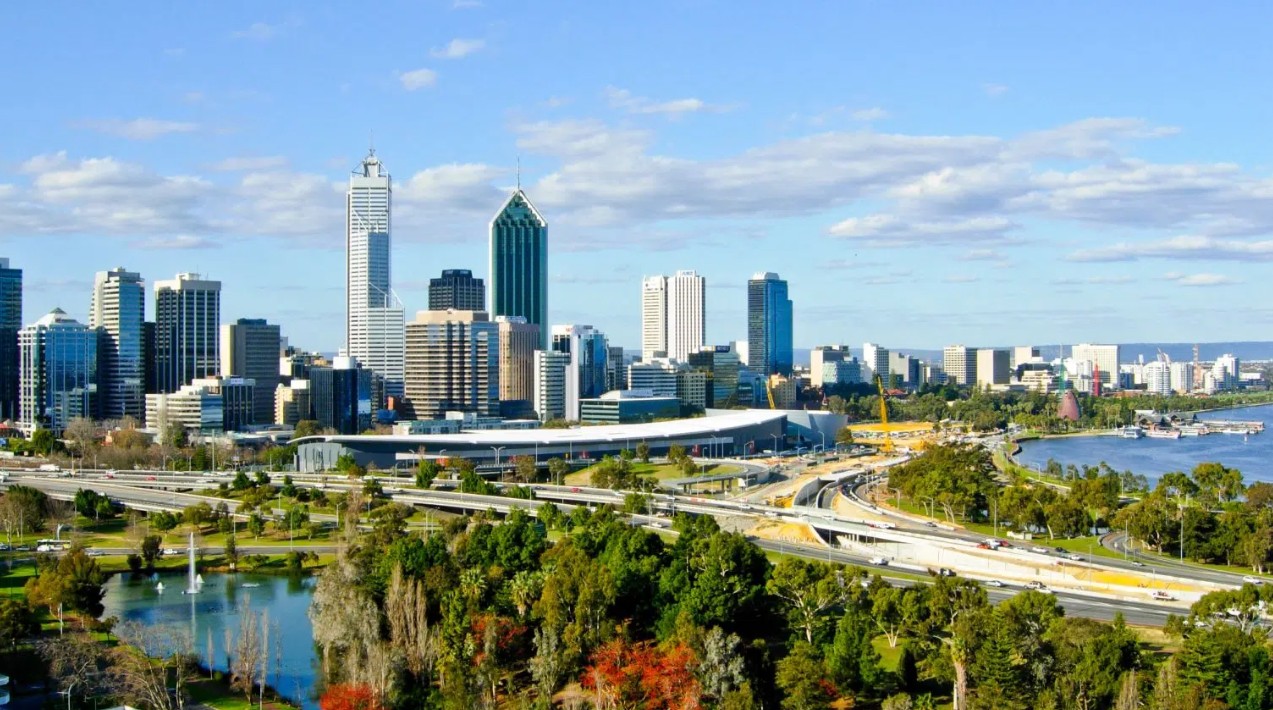
Perth also posted exceptionally strong results. The findings highlight the wealth creation generated by recent growth cycles in Queensland and Western Australia. The report reinforces the importance of identifying markets with strong population growth, infrastructure investment and economic momentum.
Rental yields remain high
As dwelling values soften and rents remain elevated, rental yields are improving across many parts of Australia. Recent market analysis indicates national gross rental yields have reached their highest level since 2023, supported by ongoing rental demand and persistently low vacancy rates. Investors in lower-priced and regional markets continue to benefit from stronger yield performance than those in premium metropolitan areas. For landlords, improving yields can help offset higher borrowing and ownership costs in a more challenging interest rate environment.
Regional listings remain tight as dwelling values outperform capitals
Regional market listings remain tighter than capital cities, with 4.5% growth from the equivalent period last year. Regional Queensland saw the highest increase in listings, at 19.9%, while Regional Tasmania recorded the largest decline, at -22.4%.
According to Cotality, regional dwelling values eased by 0.1% in the three months to July 2026. While still outperforming capital cities, momentum has slowed. 47 of the 50 Significant Urban Areas have recorded weaker growth rates, and 22 SUAs have seen home values contract over the three months to July, as compared to previous three months to April. Despite this, the relative affordability continues to drive migration from major capitals.
Housing supply challenges continue
Despite softer housing market conditions, Australia’s longer-term supply challenges remain. ABS data shows dwelling commencements fell 11.2% in the March 2026 quarter, highlighting ongoing difficulties in delivering enough new housing to meet population growth and demand. While higher listing levels are improving buyer choice in the short term, underlying supply shortages may continue to support rental demand and housing values over the longer term.